back
Fifteen Media Outlets under Diversity and Inclusion Microscope
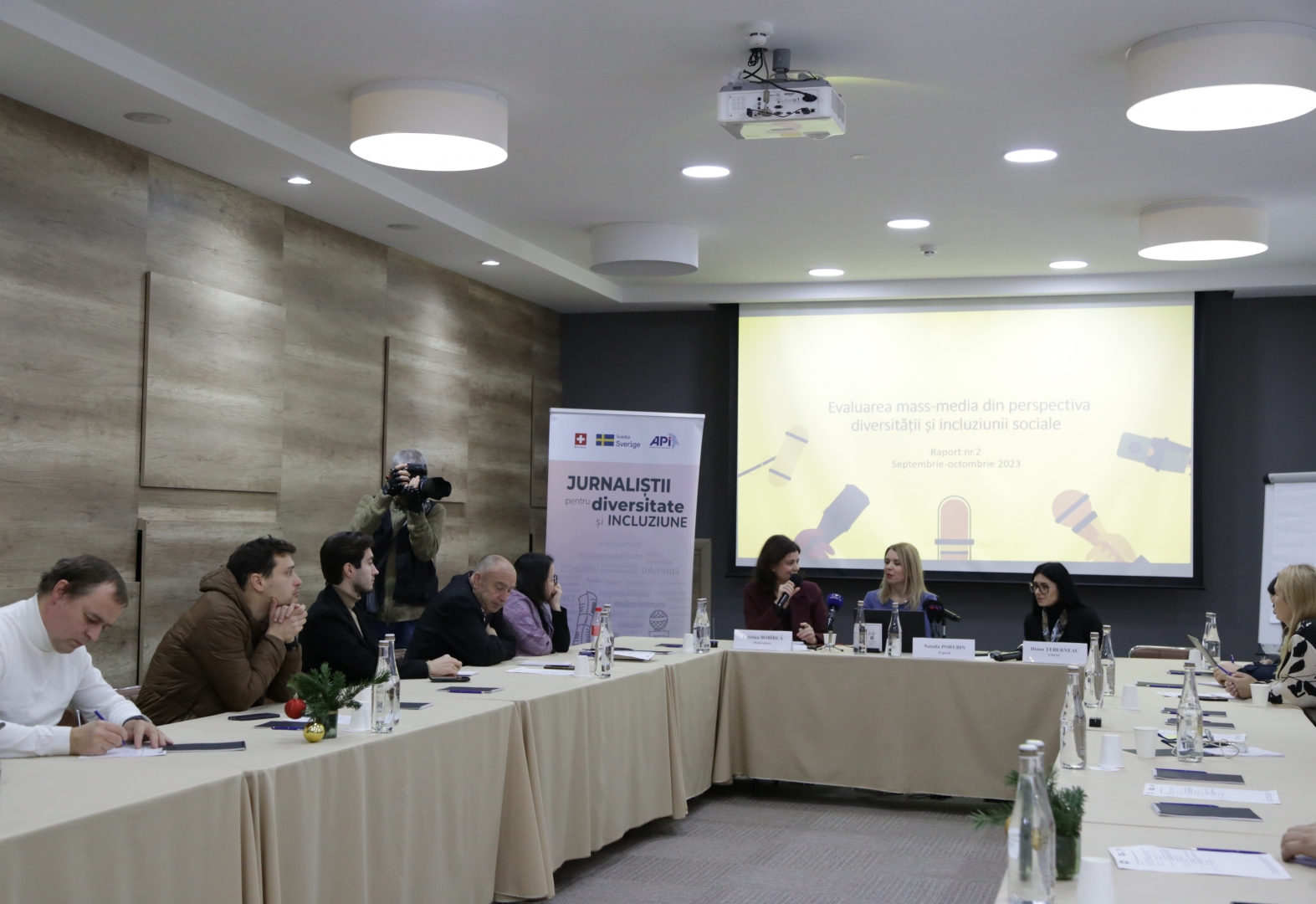
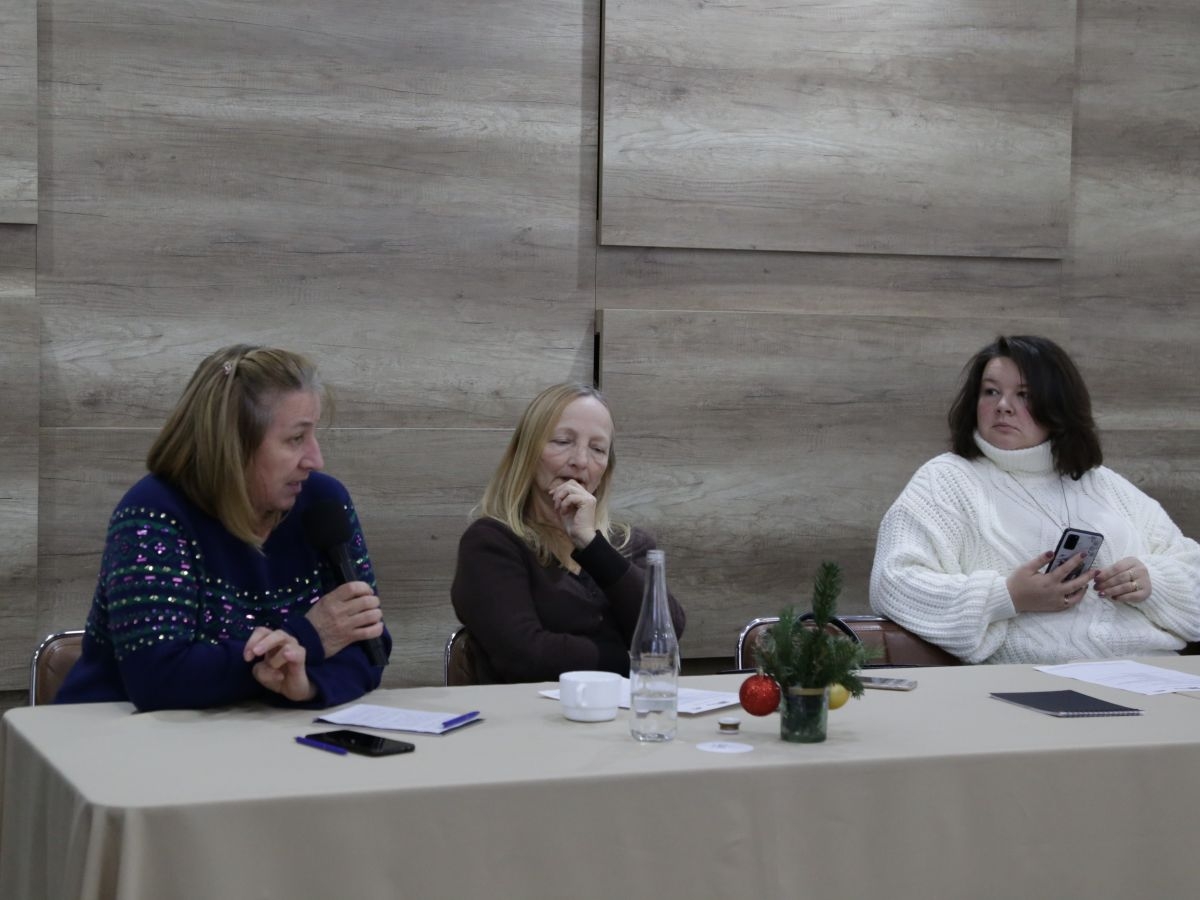
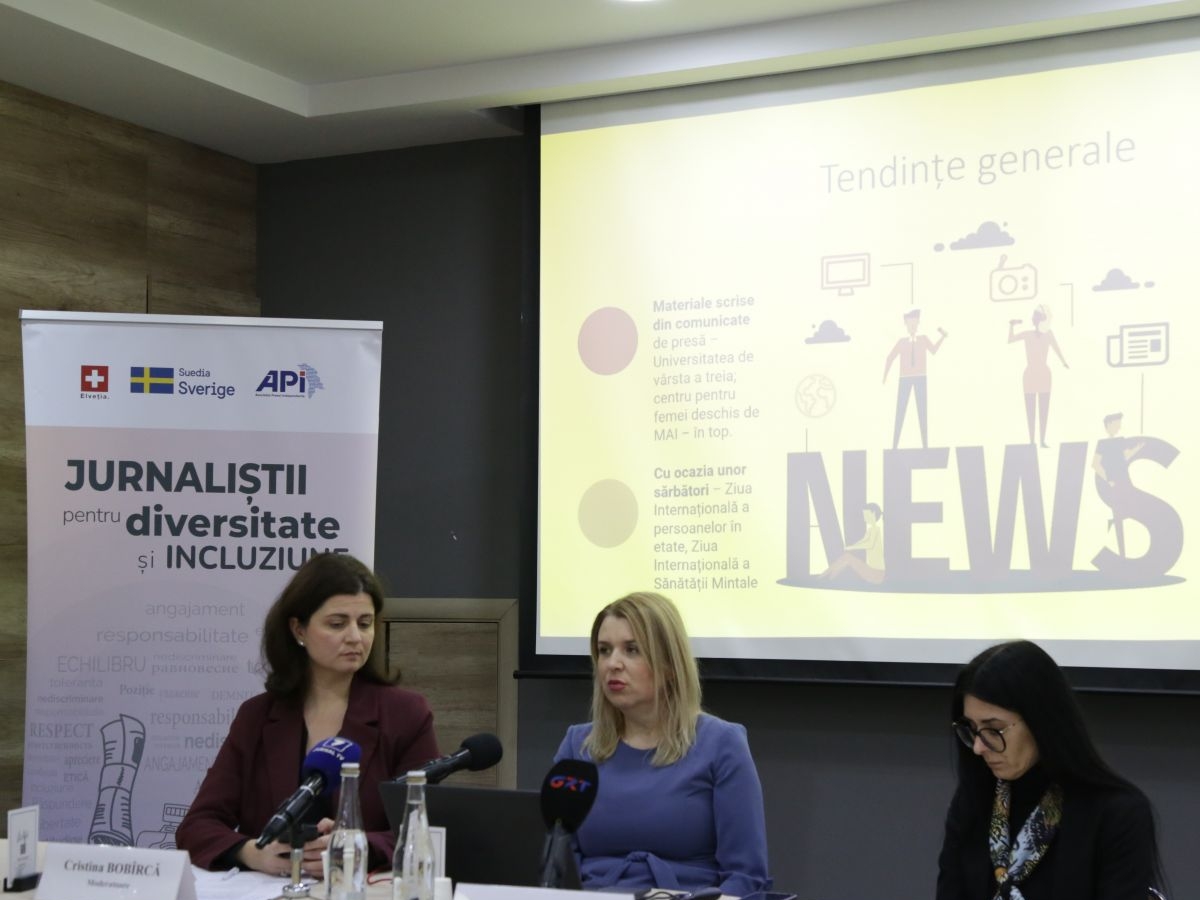
The Association of Independent Press (API) presented the results of the second round of media monitoring from a diversity and inclusion perspective at an event on 22 December. The event was organized by API as part of the project "Active Citizens, Empowering Communities, Phase II", component "Journalists for Diversity and Inclusion: Accountability and Commitment," funded by the governments of Sweden and Switzerland.
The monitoring was conducted between September and October 2023 and looked at how the 15 media outlets monitored covered issues of inclusion, tolerance, and acceptance of different social groups.
Natalia Porubin, media expert and author of the report, noted that during the monitoring period, the 15 media outlets published a total of more than 800 journalistic materials on diversity and inclusion, most of them news and features: "As in the previous monitoring period, in most cases journalists reported on women, the elderly, the disabled and LGBT people. Much less material dealt with issues of people in detention, religious minorities, or people with psycho-social disabilities."
The results of the monitoring show that, in general, the media adhered to the rules of professional ethics when writing and editing material about the groups monitored. In most cases, journalists also used balanced language. At the same time, some of the media outlets monitored did not devote enough space to issues related to tolerance and diversity and did not include the opinions of representatives of the target group in their articles.
The monitoring report also found some deontological shortcomings in the portrayal of survivors of violence and children in negative situations in journalistic stories. Media expert Natalia Porubin has recommendations to protect the human dignity of the protagonists: "We shall avoid labeling the heroes and describing the way they were exposed to violence. We shall not give shocking details in order to protect the identity of the characters and not to expose them to the public risk of discrimination in the community."
In this context, Diana Țeberneac, representative of the National Center for the Prevention of Child Abuse (CNPAC), mentioned that issues focusing on children in vulnerable situations had to be treated with greater attention by journalists, "It is important for journalists to keep in mind that an article should not be aimed at creating a sensation and to think first of all about the heroes, especially if they are children." She advises journalists not to focus on the painful story of an at-risk child, but to look at the social problem as a whole, and to be careful when interviewing children, who may then become targets of bullying, teasing, and labeling by their peers.
Experts and participants at the event concluded that when faced with ethical dilemmas, journalists should always refer to the provisions of the Moldovan Code of Ethics for Journalists, which provides answers and recommendations for a balanced and professional approach to sensitive issues.
The newsrooms monitored in 2023 were Ziarul de Gardă, Observatorul de Nord, SP Bălți, Agora.md, NewsMaker.md, Diez.md, Tuk.md, Unimedia.info, Ziuadeazi.md, TV GRT, TV 8, Moldova 1, Jurnal TV, Pro TV și Radio Moldova.
The third monitoring phase will continue in 2024, and the list will be completed with five more newsrooms.
The event was organized by the Association of Independent Press (IPA) as part of the project "Active Citizens, Empowering Communities, Phase II," component "Journalists for Diversity and Inclusion: Accountability and Commitment," funded by the governments of Switzerland and Sweden.